What to know about access issues for Kingston waste removal
Posted on 07/07/2026
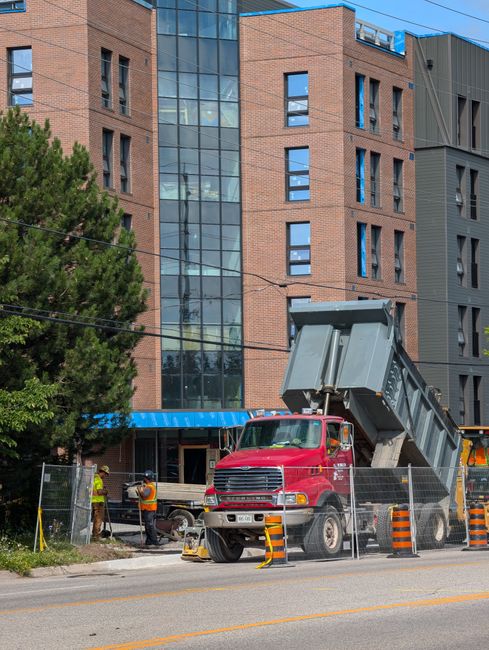
If you are arranging rubbish clearance in Kingston, access is often the bit that quietly makes or breaks the whole job. A driveway that looks wide enough from the gate, a stairwell that turns sharply halfway up, or a flat above a busy high street can all change how waste removal needs to be planned. In simple terms, What to know about access issues for Kingston waste removal is about making sure the team can reach the waste safely, legally, and without unnecessary delays.
That matters more than people expect. Access affects the quote, the time on site, how much can be taken in one visit, and whether certain items need extra handling. It also affects safety, which is where good planning really pays off. This guide breaks it down in plain English: what access issues actually mean, how they affect waste removal in Kingston, the common pitfalls, and what to do before the van arrives. A little preparation goes a long way, honestly.
Why access matters for Kingston waste removal
Access is not just a convenience issue. It shapes the whole removal plan. If a truck can park close to the property, lifting and loading are faster. If the crew has to carry items a long way from a basement flat, around a narrow mews, or down a few flights of stairs, the job becomes slower and more physical. That can affect both pricing and scheduling.
Kingston has a bit of everything: compact town-centre streets, period homes with tight hallways, riverside properties, converted houses, newer flats, and places tucked behind other buildings. So the access picture changes from one postcode or street to the next. You might be dealing with a standard kerbside collection one day and a tricky top-floor clearance the next. Same service, very different logistics.
Access matters for another reason too: protecting the property. A rushed lift through a narrow corridor can scuff paint, chip plaster, or damage bannisters. Let's face it, nobody wants a cleared loft and a scratched stair rail as the souvenir. Good planning reduces that risk.
It also matters for legal and practical reasons. Vehicles need somewhere sensible to stop, and crews need a safe route. If the access is restricted by parking controls, height barriers, locked gates, shared courtyards, or awkward estate layouts, the collection has to be planned properly in advance. That is especially true in busier parts of Kingston where traffic and parking can be a little unforgiving at peak times.
If you are also deciding which service type fits the job, it helps to look at the broader services overview before you book. Access issues are never just a one-line detail; they sit alongside item type, load size, and site layout.
How access planning works on the day
Most access planning starts before anyone turns up. A good provider will ask a few straightforward questions: Where is the waste located? Can a van park close by? Are there stairs, lifts, locked entrances, or height restrictions? Can bulky items be carried in one piece, or do they need dismantling first?
Once the basics are clear, the crew can decide how to approach the job. Sometimes the collection is direct and simple. Other times they may need to bring extra people, use trolleys or straps, or split the removal into smaller sections. In certain situations, they may recommend a different time slot to avoid heavy traffic or a loading restriction. Kingston town centre, for example, can be a world away from a quiet residential street in terms of access rhythm.
In practice, access planning often falls into three broad stages:
- Pre-visit assessment. The team reviews the likely route, vehicle access, item size, and any constraints.
- Arrival and checking. On arrival, the crew confirms the route, the condition of stairs or flooring, and the safest way to move things.
- Loading and removal. Waste is moved out with minimum disruption, with adjustments made if doorways, stairwells, or parking conditions are tighter than expected.
Sometimes access sounds fine on the phone and then turns out to be trickier in person. That is normal. A basement entry can look manageable until you realise there are tight turns and no space to rest a sofa. Or a shared car park may technically allow stopping, but only for a very short window. Real-world access is rarely as neat as a floor plan.
For that reason, properties near busier parts of the borough often benefit from local guidance. A useful place to start is rubbish removal near Kingston Station, where parking, foot traffic, and timing become part of the conversation.
Key benefits of planning access properly
Good access planning is one of those boring-sounding things that saves you time, money, and aggravation. Nothing glamorous. Very effective.
1. More accurate quotes
When the team understands the route and any obstacles, the estimate is more realistic. That reduces awkward surprises on the day.
2. Faster collections
A clear parking spot, a safe route, and a sensible loading point can cut the time needed on site. Faster does not mean rushed; it means less faffing about with avoidable obstacles.
3. Lower risk of damage
Furniture, walls, floors, and staircases are all safer when there is room to manoeuvre.
4. Better safety for everyone
Heavy items on narrow stairs or through cluttered hallways increase strain and trip risks. Planning keeps the team and the property safer.
5. Fewer failed collections
Sometimes a job can't be completed if the team cannot reach the waste. Good access checks help avoid that disappointment.
6. Better use of same-day or urgent bookings
If you need a fast turnaround, access details become even more important. A short notice collection is still possible in many cases, but only if the route and parking are workable. If you are in a hurry, this guide to same-day rubbish removal in Kingston is worth a look.
Who this is for and when it makes sense
This topic is for anyone whose waste is not sitting neatly beside a front gate. So, quite a lot of people, really.
You will find it especially relevant if you are:
- in a flat, maisonette, or upper-floor property
- dealing with basement storage, loft clutter, or a back garden with a narrow side return
- living in a terrace with limited parking or a tight front path
- managing office clearance in a multi-storey building
- clearing builders' waste from a site with restricted vehicle access
- handling bulky items like wardrobes, sofas, beds, desks, or appliances
- planning a house move, probate clearance, or end-of-tenancy clearance
It also matters if you are a landlord, letting agent, property manager, or homeowner preparing for sale. A cluttered route can make an otherwise straightforward clearance feel messy. If you are preparing a property, the local context matters too. Kingston homes vary a lot, and some of the practical considerations are covered nicely in the Kingston home buying guide and guide to wise real estate buys in Kingston.
And if you simply have a lot of junk at the back of the house and no easy way out, that counts too. Access is access, whether the problem is one stair or a whole maze of corridors.
Step-by-step guidance for a smoother collection
Here is the practical bit. If you want the collection to go smoothly, do this in order.
1. Walk the route yourself
Start where the waste is and follow the path to where a van could reasonably stop. Look for narrow doors, low ceilings, awkward bends, steps, locked gates, uneven paving, and anything that forces a detour.
2. Measure the awkward items
Take rough measurements of the items that may cause problems: wardrobes, mattresses, fridges, sofas, filing cabinets, or large garden waste bags. If something barely fits through the door when angled sideways, say so. That tiny detail can save a lot of grief.
3. Note parking and stopping options
Check whether the van can stop nearby, or whether the crew will need to park further away and carry items. If there are resident-only bays, loading restrictions, or a time-limited bay, mention it early. In the town centre, this can be the difference between a calm pick-up and a rushed one.
4. Share the full picture when booking
Be specific. "There are stairs" is useful, but "two flights, narrow turn at the first landing, and a front door that opens inward into a small hall" is much better. You do not need to write a novel. Just the important bits.
5. Clear the route before the team arrives
Move bikes, plant pots, shoes, laundry baskets, and loose bits out of the way. If the path is blocked by a recycling bin and three boxes of books, the crew has to spend time clearing a path before the real work even starts. That sounds obvious, and yet... it happens all the time.
6. Protect the surfaces that matter
If there are delicate floors, freshly painted walls, or tight corners, mention them. Some teams may bring protective equipment or adjust the handling method. It is a small thing that can prevent bigger headaches.
7. Confirm what happens if access changes
Sometimes the plan changes at the last minute: a parked car blocks the drive, a lift is out of order, or a gate code is missing. Ask what happens if the route turns out to be harder than expected. Good communication here is worth its weight in tea, frankly.
Expert tips for better results
After enough clearances, a pattern shows up. The best jobs are not always the easiest ones. They are the ones where access details are shared early and clearly.
Tip 1: Send photos if possible. A couple of clear pictures of the stairwell, parking point, gate, or bulky items can be more useful than a long description. Not always necessary, but often very helpful.
Tip 2: Mention building rules. Some flats and managed estates have quiet hours, lift protection rules, or restrictions on where waste can be taken through communal areas. If you know about them, say so.
Tip 3: Think in terms of route, not just room. Where is the waste? How does it get to the van? How many turns, steps, and doorways are in between? That route-based thinking saves time.
Tip 4: Separate what needs special handling. Heavy white goods, bric-a-brac, carpets, and mixed waste may be handled differently. If the load is a bit of a mix, be honest about it.
Tip 5: Do not assume "easy enough" means easy. A lot of access problems come from good intentions and vague descriptions. "Should be fine" is not a plan. It just sounds polite.
If you are also trying to reuse or donate items, access still matters because reusable furniture often needs more careful handling. This is especially true for larger pieces, so you may find the local article on recycling and donating furniture in Kingston useful.

Common mistakes to avoid
Most access problems are preventable. The trouble is, people only notice them when the van is already outside and someone is staring at a sofa that will not fit through the hallway. Not ideal.
- Leaving out parking details. If the collection point is a loading bay, private road, gated forecourt, or permit-only street, say so early.
- Forgetting about stairs or lifts. A lift that exists in theory is not the same as a lift that works, fits the item, and is available at the right time.
- Not measuring large items. A sofa can look "normal size" until it meets a narrow landing.
- Ignoring access to the rear of the property. Side passages can be too tight for bulky waste, especially if bins, bikes, or sheds reduce space.
- Assuming the crew can sort everything out on arrival. They often can, but not always without delay or extra labour.
- Booking without mentioning special site conditions. Height barriers, tree branches, shared entrances, and uneven surfaces can all matter.
A slightly awkward truth: if you only mention the access issue after the team arrives, you are usually asking them to solve a planning problem on the spot. They will do their best, but it is never as smooth as telling them beforehand.
Tools, resources and recommendations
You do not need specialist equipment to prepare well, but a few simple tools make the job easier.
- Measuring tape: useful for checking door widths, hallway space, and bulky item dimensions.
- Phone camera: quick photos of access routes, parking spots, and obstacles help a lot.
- Notepad or checklist: handy for listing stairs, gates, codes, and timing restrictions.
- Torch: surprisingly useful for lofts, basements, and dim communal areas.
- Basic packaging materials: tape, bags, and gloves can help if items need gathering before removal.
For planning and budgeting, the pricing and quotes page can help you think through how access might affect the final estimate. If you are weighing up different service levels, the waste removal Kingston and rubbish clearance Kingston pages are also useful starting points.
For some jobs, access and service type go hand in hand. A garden clearance with a narrow side gate feels different from an office clearance in a multi-storey building. Likewise, builders' waste often comes with site restrictions, while house clearances may involve stairwells, lofts, and multiple rooms. The service should fit the site, not the other way around.
If you want a broader look at the kind of jobs that can be handled, the pages on builders' waste disposal in Kingston, garden waste removal in Kingston, house clearance in Kingston, and office clearance in Kingston show how access can vary by job type.
Law, compliance and best practice
Access issues are not just about convenience. They can also affect safety, responsibility, and how waste is handled. In the UK, best practice is to make sure waste is collected, moved, and disposed of in a way that reduces risk to people and property. That means sensible lifting, secure loading, clear communication, and appropriate vehicles for the site.
If you are a homeowner or tenant, you still have a role to play. You should provide accurate access information, keep shared areas clear where you reasonably can, and make sure the route is safe enough for collection. If you are a landlord or managing agent, you may need to think about communal access, building rules, and resident disruption.
It is also wise to use a provider that takes safety seriously. That does not mean every job is risk-free; it means the team has a method for reducing risk. The page on insurance and safety is relevant here, especially if your clearance involves stairs, awkward loads, or potentially fragile surroundings.
For people who care about how waste is treated afterwards, recycling and reuse matter too. Access planning should support that aim, not work against it. If items are damaged because they were dragged out carelessly, fewer can be reused or donated. That is why measured handling is part of good environmental practice as well as good service. You can read more about that approach on the recycling and sustainability page.
And yes, paperwork matters too. Before booking, it is always sensible to review the provider's terms and conditions and privacy policy, just so everyone is aligned on what information is needed and how the booking is handled. No drama. Just clarity.
Options, methods and comparison table
Access problems do not have one universal fix. The right approach depends on the property and the load. Here is a simple comparison to make that clearer.
| Access situation | Typical challenge | Best approach | What to tell the team |
|---|---|---|---|
| Front-drive house | Usually straightforward, but parking may still matter | Direct loading | Drive width, gate width, and whether the van can stop close by |
| Town-centre flat | Parking, lifts, and pedestrian traffic | Timed arrival and short carrying distance | Floor level, lift size, loading bay access, and any restriction times |
| Terraced house with narrow hallway | Tight turns and limited space for bulky items | Item-by-item handling, possibly partial dismantling | Door widths, staircase turns, and whether furniture can be broken down |
| Rear-garden clearance | Side access may be blocked or too tight | Manual carry route or staged loading | Width of side passage, steps, surface condition, and gate access |
| Basement or loft clearance | Stairs, low headroom, and awkward lifting angles | Smaller loads and careful route planning | Number of flights, turn points, and whether there is enough clearance |
In a lot of Kingston properties, access is not "bad"; it is just specific. That distinction matters. A route can be workable if it is planned for properly, even if it would make a lazy Monday morning feel slightly annoying.

Case study or real-world example
Here is a realistic example from the kind of work these jobs often involve.
A couple in a Kingston terrace had a mix of old furniture, a broken chest of drawers, several bags of loft clutter, and a bulky wardrobe they wanted removed before decorating. At first glance, they thought the job would be simple. The front door opened onto a narrow hall, there were stairs with a tight turn halfway up, and the only parking nearby was on-street. Nothing outrageous. Just a classic "this should be fine" situation.
Once they described the route properly, the collection could be planned around it. The wardrobe was checked against the hall width, the route out of the house was cleared in advance, and the loading point was chosen with the parking restrictions in mind. The result? No damage, no extra stress, and no last-minute shuffle of furniture in the rain. Which, to be fair, is exactly what most people want.
The important lesson was not that the access was perfect. It wasn't. The lesson was that a bit of honest detail made the clearance manageable. If they had left out the stairs or parking issue, the day would likely have felt a lot less smooth.
That sort of thing comes up constantly in real life. In Kingston, access is rarely the headline problem, but it often becomes the hidden one. One small misread on parking or a doorway can ripple through the whole job.
Practical checklist
Use this before booking or on the morning of the collection.
- Measure the largest items that need removing.
- Check the path from the waste to the vehicle.
- Note any stairs, lifts, or sharp turns.
- Confirm parking, loading, and stopping options.
- Look out for gates, locks, entry codes, or shared entrances.
- Remove obstacles such as bikes, bins, plant pots, and loose boxes.
- Warn the team about fragile walls, fresh paint, or delicate flooring.
- Tell them whether items need dismantling first.
- Share any building rules or time restrictions.
- Keep your phone handy in case the crew needs a quick clarification.
Quick takeaway: if the route feels awkward to you, it will probably feel awkward to the team too. Saying so early is not being difficult; it is being useful.
Get a free quote today and see how much you can save.
Conclusion
Access issues are one of those unglamorous details that quietly shape a waste removal job from start to finish. In Kingston, where property types, parking conditions, and building layouts vary so much, it makes sense to think about access before anything else. Not because the job is complicated by default, but because a clear route makes everything calmer, safer, and more efficient.
If you remember only one thing, make it this: good access information saves time later. A few honest details about stairs, parking, gates, tight corners, or bulky items can prevent most of the common headaches. And if you are ever unsure, it is better to mention the awkward bit than to hope it magically disappears on the day.
That is usually how the smoothest clearances happen. A bit of planning, a bit of honesty, and a crew that knows what they are walking into. Simple enough, really. And when it all comes together, the place feels lighter almost immediately.
 Tipper Van - Rubbish Clearance and Waste Removal Prices in Kingston, KT1
 Luton Van - Rubbish Clearance and Waste Removal Prices in Kingston, KT1