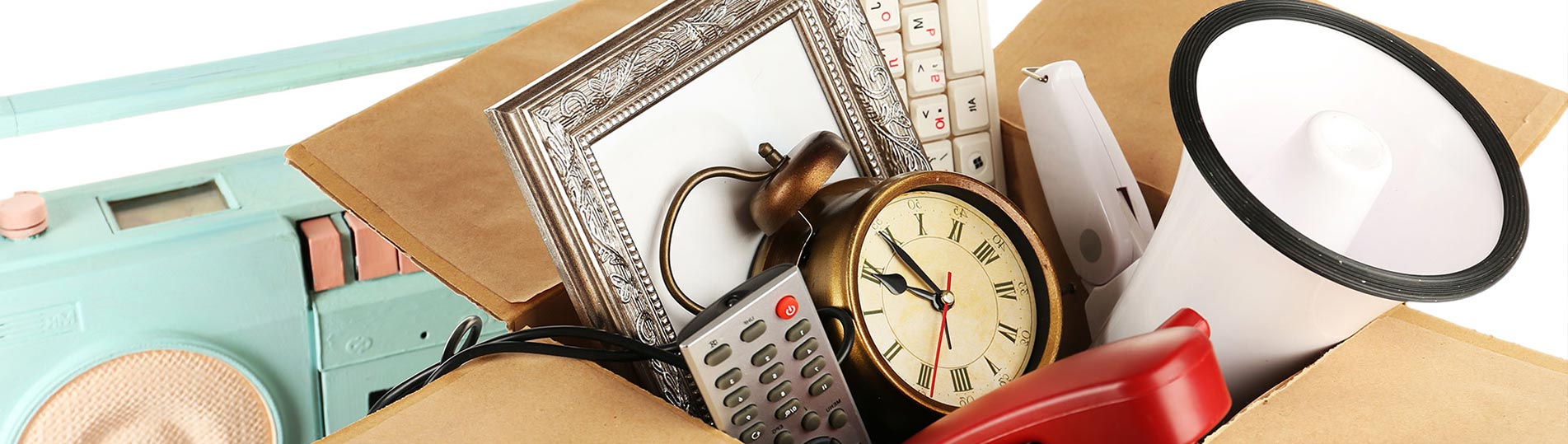
Recycle and donate furniture Kingston rubbish removal
Posted on 02/06/2026
Recycle and donate furniture Kingston rubbish removal: a practical local guide
If you are staring at an old sofa, a sagging mattress, or a dining table that has seen one too many family meals, you are not alone. Plenty of people in Kingston end up with furniture they no longer need, but do not want to waste. That is where Recycle and donate furniture Kingston rubbish removal comes in: a sensible, local-minded way to clear space, keep usable items in circulation, and avoid sending good furniture straight to disposal.
In plain English, the goal is simple. Reuse what can be reused. Recycle what can be broken down. Remove the rest safely and responsibly. Sounds tidy on paper, and, to be fair, it can be tidy in real life too if you know the right order of operations.
This guide explains how the process works, what furniture is worth donating, when recycling makes more sense, and how to avoid the common mistakes that turn a straightforward clear-out into a headache. You will also find a checklist, a comparison table, and practical local tips for Kingston homes, flats, offices, and rental properties.
For broader service context, it can help to understand the wider range of support covered in the services overview, especially if your furniture clear-out is part of a bigger move, renovation, or house reset.
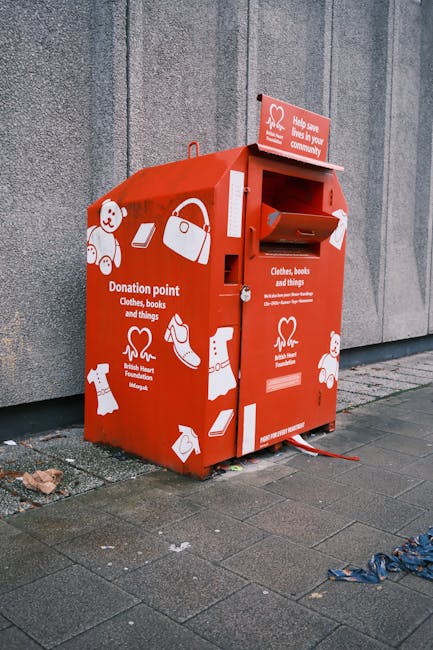
Why Recycle and donate furniture Kingston rubbish removal Matters
Furniture takes up space fast. A single wardrobe can block a hallway, a sofa can swallow half a room, and a stack of office chairs can make even a decent-sized flat feel cramped. But the issue is not just about clutter. Furniture disposal affects waste volumes, transport efficiency, and whether an item gets a second life or ends up as mixed waste.
In Kingston, where homes vary from riverside flats to family houses and busy office spaces, the best approach is rarely "just chuck it out." Some items are still usable. Others are recyclable in parts. A few are simply too damaged or contaminated to pass on. The point of this approach is to sort those categories properly before removal.
It matters for a few reasons:
- Less waste goes to landfill or disposal routes that could have been avoided.
- Usable furniture can help someone else, which is about as practical as sustainability gets.
- You save time and stress by not trying to guess the wrong disposal method.
- Cleaner sorting at the start makes collection quicker and safer.
There is also a local reality here. Kingston properties can be awkward for bulky items: narrow stairwells, lift restrictions, tight parking, and shared access routes all make "we'll just move it later" a recipe for sore backs and scratched walls. If you have ever tried to wrestle a three-seater sofa around a stair landing at 7pm, you will know the feeling. Not glamorous.
When a clear-out is part of a larger job, such as a whole-home emptying, it can be worth looking at house clearance support in Kingston so the furniture, general junk, and any other household items can be dealt with in one organised visit.
How Recycle and donate furniture Kingston rubbish removal Works
The process is usually more straightforward than people expect. The trick is deciding the best route for each item before collection day arrives.
1. Identify what can be reused
Furniture that is clean, structurally sound, and safe to use may be suitable for donation or reuse. Think sturdy chairs, a serviceable bookcase, a usable desk, or a sofa with no serious damage. Cosmetic wear is not always a deal-breaker. A scratched table can still have value if it is stable and presentable.
2. Separate recyclable materials
Some furniture is not suitable for donation but still contains recyclable components. For example, wood, metal frames, certain plastics, and textiles may be recoverable depending on the item's condition and how it is handled. It is not always possible to recycle every part, but separating materials where practical improves the outcome.
3. Decide what needs direct removal
If furniture is broken, infested, water damaged, heavily stained, or unsafe, it usually needs disposal rather than reuse. A wobbly chair with split joints is one thing; a bed frame with sharp exposed fixings is another. Safety first, every time.
4. Book the right collection method
Depending on the amount and type of furniture, you may need a small-item removal, a bulk collection, or part of a wider rubbish clearance. If the items are in a flat, office, or awkward access location, the removal method should match the building conditions. That sounds obvious, but people skip it and then regret it when a wardrobe gets stuck in a doorway.
5. Handle donation and disposal separately where needed
In practice, a good furniture removal plan splits the load into three piles: donate, recycle, and dispose. That makes the process cleaner and helps ensure usable pieces do not get mixed up with damaged ones. Once items are separated, the move-out becomes calmer and quicker.
If you are dealing with mixed waste alongside furniture, a broader rubbish clearance service in Kingston can be a sensible option because it keeps the process under one roof instead of forcing you to juggle separate jobs.
Key Benefits and Practical Advantages
There is a reason this approach is increasingly popular with homeowners, landlords, tenants, and office managers alike. It is practical. It works. And it tends to save everyone a bit of hassle.
- It reduces waste. Reuse and recycling keep more material out of general disposal streams.
- It supports local goodwill. Donated furniture can help someone furnish a home without buying brand new.
- It is often faster than piecemeal disposal. One organised removal beats several trips in a borrowed car.
- It makes properties easier to market or hand over. This matters if you are moving, renting out, or renovating.
- It can improve safety. Clearing bulky furniture removes trip hazards and blocked exits.
- It feels better. Truth be told, most people prefer knowing a decent chair found a new home instead of disappearing into the unknown.
For Kingston residents, there is also a space-saving benefit. Flats near the station, terraced houses, and compact family homes can feel instantly more manageable once that bulky settee or redundant desk is gone. A room changes character the moment the big stuff leaves. Suddenly you can hear yourself think again.
For property-specific planning, it can be useful to explore rubbish removal near Kingston Station in KT1 if your access, parking, or timing needs are tied to a central location.
Who This Is For and When It Makes Sense
This approach is useful for more people than you might think. It is not only for full house clearances or big office moves.
Homeowners and renters
If you are replacing a sofa, upgrading beds, or clearing a spare room, recycling and donation are the sensible first questions to ask. A family moving into a new place in Kingston often discovers old furniture no longer fits the new layout. That is normal. A tall wardrobe that worked in one bedroom can be a total nuisance in another.
Landlords and letting agents
End-of-tenancy clear-outs often include furniture left behind by tenants. Some items are fine for reuse; others are not worth storing. Landlords tend to benefit from fast, well-documented removal because it helps prepare the property for the next letting without delay.
Office managers
Desks, task chairs, filing cabinets, and meeting tables can pile up surprisingly fast during refurbishments. If you are replacing a suite of furniture, it is worth separating reusable office items from damaged ones. For larger premises, office clearance in Kingston is often the neatest route.
People downsizing
Downsizing is a common trigger. You may move from a larger house to a smaller property and suddenly realise the old sideboard, dining set, and spare armchair just do not fit. That is a good moment to reassess what is useful and what is simply taking up room.
Anyone clearing after renovation or life change
Renovations, bereavements, relationship changes, and house moves all create decision pressure. A practical furniture recycling and donation plan helps make a difficult job feel less tangled.
If you are figuring out the wider shape of a project rather than only a single item removal, your rubbish removal needs is a useful place to understand the scope before booking anything.
Step-by-Step Guidance
Here is the simplest way to handle the process without overthinking it.
- Walk through each room. Make a quick list of furniture you want gone, donated, or checked for recycling potential.
- Inspect condition honestly. If an item is clean, stable, and safe, donation may be possible. If it is damaged or unhygienic, move it to disposal.
- Measure bulky pieces. Height, width, depth, and access points matter more than most people expect. Measure the hallway as well, not just the sofa.
- Separate useful extras. Cushions, detachable legs, tabletops, and hardware should be grouped with the right item.
- Choose a removal plan. Decide whether the job is a single furniture removal, a mixed clear-out, or part of a larger waste collection.
- Prepare access. Clear doors, move small objects, and make sure the route to the exit is open.
- Label donation items. A simple note or grouped pile helps prevent good furniture from being mixed with general waste.
- Confirm the collection details. Timing, access, parking, and load type should all be clear before the team arrives.
- Ask about sustainability handling. If recycling or donation is possible, it is worth checking how the provider separates reusable material.
- Keep proof of what was removed. For landlords and offices especially, a simple record can be useful later.
One small but important tip: do not wait until the last minute to decide what is being donated. A "maybe" pile always becomes a "definitely not" pile by the night before collection. Every time.
Expert Tips for Better Results
Small choices often make the biggest difference. After a few clear-outs, the pattern becomes obvious.
Prioritise the easiest wins first
Start with items that are clearly reusable. That creates momentum and makes the rest of the decision-making easier. If the sofa is good but the mattress is not, separate them early.
Keep wet and dry items apart
Moisture can ruin recyclable materials and can make fabric furniture unsuitable for reuse. A damp chair in a garden shed is not the same as a dry chair in a spare room.
Take photos before removal if you need records
This is particularly useful for offices, landlords, and anyone handing over a property. A few quick pictures are enough. Nothing fancy.
Check whether partial dismantling helps
Sometimes removing table legs or taking apart a bed frame makes access much easier. That said, do not dismantle something if doing so weakens it or creates sharp edges. A little judgement goes a long way.
Match the method to the location
A ground-floor house, a top-floor flat, and a riverside apartment with awkward parking are three different jobs. If your property is near tight access points or busy roads, mention that early. For example, some local residents find riverside waste removal in Kingston especially useful when access and timing matter.
Do not assume "old" means "unusable"
Some furniture looks tired but is still structurally solid. A table with scratches can still be useful. A chair with a loose leg, less so. Use function, not just appearance, to decide.
Expert summary: The best furniture clear-out is rarely the fastest one. It is the one that separates reuse from disposal early, protects access routes, and matches the collection method to the actual condition of the items.

Common Mistakes to Avoid
There are a few repeat offenders here. Nothing dramatic, but they do cause avoidable stress.
- Leaving sorting until collection day. That creates delays and often means good items get mixed with bad ones.
- Ignoring access issues. Tight stairs, lifts, and parking restrictions can turn a simple job into a difficult one.
- Assuming everything can be donated. Donation is great, but only if the furniture is safe and suitable.
- Forgetting about hidden damage. Water damage, mould, bed bugs, and structural weakness are deal-breakers for reuse.
- Not measuring large items. A sofa that looks manageable can still be impossible to turn in a narrow hallway.
- Mixing furniture with general rubbish too early. Once it is all piled together, reuse opportunities can disappear.
- Booking the wrong type of service. A small one-off collection may be fine for one chair, but not for a full flat clearance.
A slightly annoying truth: the most common mistake is not the furniture itself. It is the assumption that the process will somehow sort itself out. It rarely does. A few minutes of planning saves a lot of lifting.
Tools, Resources and Recommendations
You do not need specialist equipment for every job, but a few practical items make things safer and cleaner.
- Measuring tape for checking item dimensions and access points.
- Gloves for handling old furniture, staples, rough timber, or dusty items.
- Basic screwdriver or hex key if a bed frame or table needs simple dismantling.
- Labels or sticky notes to mark donate, recycle, and dispose piles.
- Blanket or protective sheet to protect floors and door frames during movement.
- Phone camera for keeping a record of the items being removed.
If you are comparing service options, a page like pricing and quotes can help you think through how different collections are normally approached, especially if your furniture is part of a bigger load.
For readers who care about the environmental side of the job, recycling and sustainability is a helpful related topic because it connects furniture reuse with broader waste reduction habits.
And if the clear-out is tied to a move or a property refresh, local reading such as the Kingston home buying guide or local advice on living in Kingston can be surprisingly useful for planning what stays, what goes, and what simply no longer fits your new setup.
Law, Compliance, Standards, or Best Practice
Furniture disposal in the UK is not something to treat casually. You do not need to memorise legal text, but you do need to act responsibly.
Best practice usually means three things:
- Keep items safe for handling. Broken frames, exposed nails, and sharp fittings should be dealt with carefully.
- Do not pass on unsafe furniture. If an item could injure someone, it should not be donated as if it were fine.
- Use a responsible removal route. Reuse first where appropriate, then recycling, then disposal.
For businesses, there is also a straightforward duty to manage unwanted furniture properly and keep clear internal records where relevant. Offices clearing out desks and seating often need a tidier paper trail than households do. That is normal.
In practical terms, best practice means choosing a provider that understands sorting, handling, and responsible disposal rather than one that simply loads everything together without looking. If you are checking service standards more broadly, it can also be worth reading insurance and safety guidance and the site's terms and conditions so expectations are clear before the collection starts.
There are also trust factors that matter in real life: how belongings are handled, whether access is respected, and whether the job is carried out without cutting corners. That is the kind of thing people remember.
Options, Methods, or Comparison Table
There is no single right way to deal with unwanted furniture. The best method depends on the condition of the item, your timeframe, and how much lifting you want to do yourself.
| Option | Best for | Pros | Limitations |
|---|---|---|---|
| Donate for reuse | Clean, safe, usable furniture | Gives items a second life, reduces waste, feels worthwhile | Not suitable for damaged, dirty, or unsafe pieces |
| Recycle through breakdown | Items with recoverable materials | Reduces landfill impact, keeps materials in use | Not every part is recyclable, depends on item and condition |
| Bulk furniture removal | Large, heavy, mixed-condition loads | Fast, convenient, suited to awkward items | Requires proper sorting to maximise reuse and recycling |
| House clearance approach | Multiple rooms or full-property clear-outs | Efficient for big jobs, less coordination for the customer | May be more than you need for just one or two pieces |
If you are weighing whether to do a small-item removal, a broader clear-out, or something in between, the answer usually comes down to how many pieces you have and how much access pain you are willing to tolerate. Most people, once they see the hallway involved, decide the answer pretty quickly.
Case Study or Real-World Example
Here is a realistic Kingston-style scenario. A couple in a first-floor flat in KT1 are preparing to move into a smaller home. They have a three-seat sofa, a dining table, four chairs, a chest of drawers, and two office chairs. Some pieces are in decent shape; one chair is wobbly and the dining table has water damage on one edge.
Rather than sending everything out as mixed waste, they sort the furniture into three groups:
- Donate: the office chairs and the chest of drawers, because they are still usable.
- Recycle: the dining table frame, because parts of it can be separated and recovered.
- Dispose: the damaged sofa and the wobbly chair, because they are no longer suitable for reuse.
They also measure the stairwell before the removal date, which saves a lot of trouble. The table needs its legs removed to get around the landing, and the collection runs much more smoothly because that was planned in advance. Nothing dramatic, just sensible preparation. The sort of thing people say they'll do next time.
By the end of the day, the flat is visibly lighter. The rooms sound different, almost. Less echo, more air. The couple ends up with less stress, the good furniture gets a chance at reuse, and the bulky waste is handled in a way that feels organised rather than wasteful.
Practical Checklist
Use this quick checklist before your collection day.
- Have I checked which pieces are reusable?
- Have I separated donation items from damaged items?
- Have I measured large furniture and access routes?
- Have I cleared hallways, stairways, and door paths?
- Have I removed loose items, cushions, or drawers where helpful?
- Have I made a note of any awkward parking or access restrictions?
- Have I decided whether this is a furniture-only job or part of a bigger clear-out?
- Have I taken photos if I need a record for a landlord, tenant file, or office log?
- Have I checked that unsafe items will not be passed on for donation?
- Have I chosen the right support for the amount of furniture involved?
And one simple final check: if you would not comfortably give the item to a friend, it probably should not be donated. That rule is not perfect, but it is often a decent guide.
Conclusion
Recycle and donate furniture Kingston rubbish removal is really about making a thoughtful choice before the lifting starts. It helps you clear space, reduce waste, and make sure good furniture is not lost in a rushed disposal job. In a place like Kingston, where homes, flats, and offices vary so much, a flexible and sensible approach is usually the best one.
Whether you are preparing for a move, clearing a rental, refreshing an office, or simply getting your spare room back, the process works best when you separate reuse, recycling, and disposal early. Keep it simple. Measure twice, move once. That old saying still holds up, annoyingly enough.
Get a free quote today and see how much you can save.
When the room is finally clear and the light comes in properly, you notice the difference straight away. Less clutter, less noise, more breathing room. That is the real payoff.
 Tipper Van - Rubbish Clearance and Waste Removal Prices in Kingston, KT1
 Luton Van - Rubbish Clearance and Waste Removal Prices in Kingston, KT1